
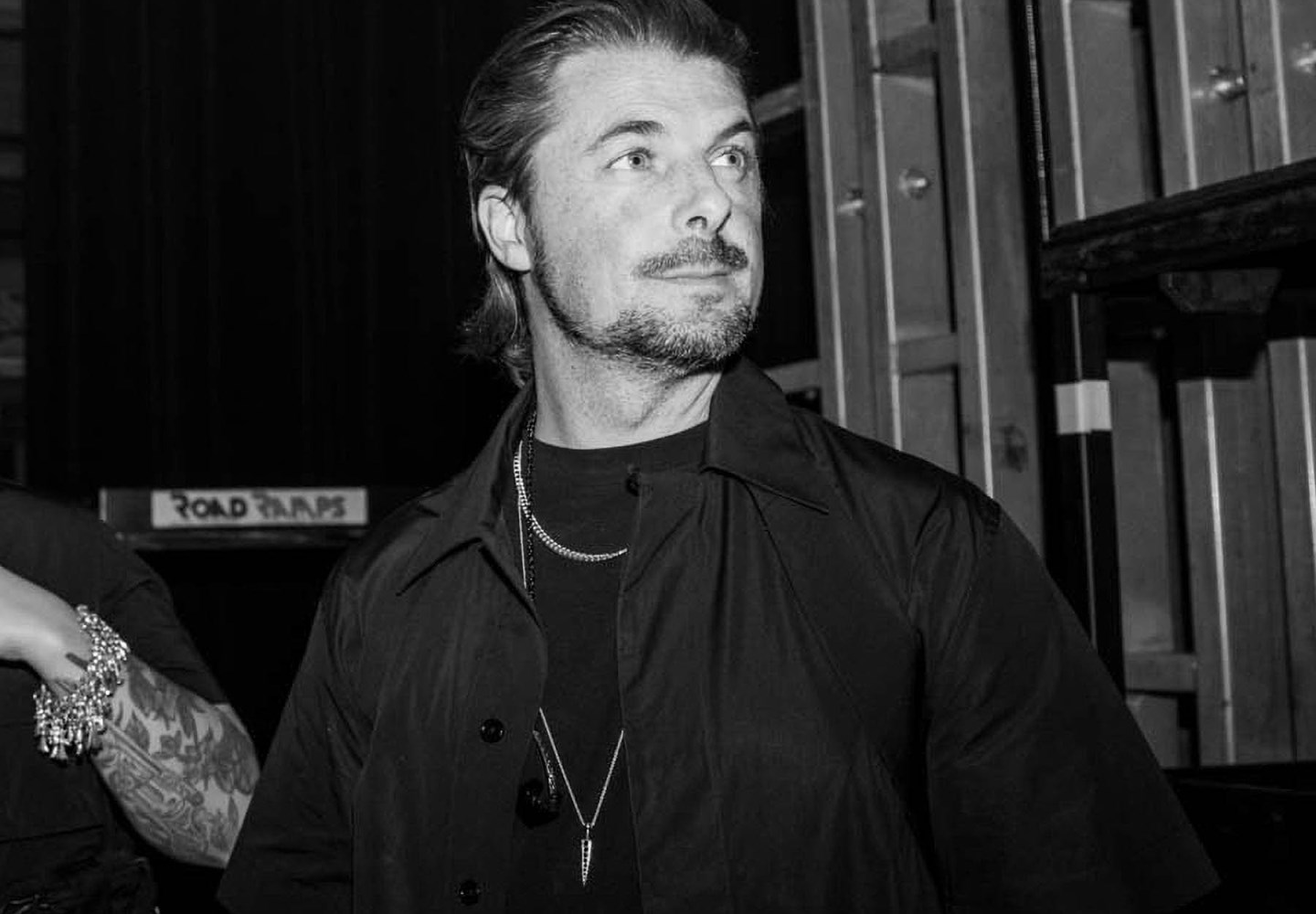
Swedish DJ and producer Axwell has revealed that Swedish House Mafia nearly abandoned their 2012 anthem “Don’t You Worry Child” after their record label initially questioned the song. Speaking in a new interview with Brian Fink on America’s Dance 30, the producer reflected on the uncertainty surrounding one of the group’s most successful recordings, just as their latest collaboration with Lykke Li reaches No. 1 on Billboard’s Dance Airplay chart.
Axwell Reveals the Story Behind a Swedish House Mafia Classic
More than fourteen years after the release of “Don’t You Worry Child,” Axwell has shared new details about the challenges Swedish House Mafia faced while completing the recording.
During an interview with Brian Fink on America’s Dance 30, published on October 26, 2026, the Swedish producer recalled that the song came close to being left unfinished.
According to Axwell, the record label’s initial reaction was far from enthusiastic, raising questions about whether the track was ready for release.
The group, consisting of Axwell, Steve Angello and Sebastian Ingrosso, nevertheless decided to move forward with the production.
At the time, Swedish House Mafia were approaching the conclusion of their original run together, making the release particularly significant.
Rather than allowing the label’s reservations to determine the outcome, the three producers chose to trust their own judgement.
That decision ultimately delivered one of the most recognisable recordings in modern electronic dance music.
The Anthem That Became a Global Success
Released in September 2012 and featuring Swedish singer John Martin, “Don’t You Worry Child” became a defining track in Swedish House Mafia’s discography.
Its combination of progressive house production, melodic piano elements and an emotionally driven vocal performance helped establish the song beyond traditional nightclub audiences.
The recording became a major international commercial success, reaching No. 1 in the United Kingdom and receiving a Grammy nomination for Best Dance Recording.
In the United States, it spent 16 weeks at the top of Billboard’s Dance Airplay chart across 2012 and 2013.
The track also became closely connected with the group’s original farewell period, which culminated at Ultra Music Festival in Miami in March 2013.
Its continued presence in festival sets illustrates how strongly the song remains associated with the wider progressive house movement of the early 2010s.
The new account from Axwell adds another perspective to that history: an anthem that eventually became central to the group’s identity was not necessarily regarded as a guaranteed success during production.
The Creative Challenge of Finishing Electronic Music
Beyond the story of one particular recording, Axwell’s comments addressed a broader challenge experienced by electronic music producers.
Studio projects frequently evolve through numerous versions, arrangement changes and production decisions before reaching their final form.
In some cases, that process can extend for months as artists attempt to improve individual elements.
Axwell suggested that continuing to revise a production does not always lead to a stronger finished record.
His reflections highlight the difficulty of determining when a track is complete, particularly when producers must balance their own artistic instincts with feedback from record labels and other collaborators.
The experience surrounding “Don’t You Worry Child” provides a notable example of that tension.
What initially faced uncertainty within the industry ultimately became one of Swedish House Mafia’s most commercially successful releases.
Swedish House Mafia Return to No. 1 With Lykke Li
Axwell’s interview arrives at another important moment for Swedish House Mafia.
Their collaboration with Swedish singer-songwriter Lykke Li, “Happiness Is So Sad,” reached No. 1 on Billboard’s Dance Airplay chart dated October 24, 2026.
The achievement marks the group’s fourth No. 1 on the chart, following “Save the World,” “Don’t You Worry Child” and “Wait So Long.”
Released on July 30 through Swedish House Mafia’s independent label DANSA, the single climbed from No. 4 to the top position after a 28% increase in radio plays during the October 2–8 tracking period, according to Luminate figures reported by Billboard.
The achievement also represents the first Dance Airplay chart-topper for DANSA and Lykke Li’s first No. 1 on any United States Billboard chart.
Musically, “Happiness Is So Sad” explores the relationship between melancholic songwriting and uplifting electronic production.
The collaboration demonstrates how Swedish House Mafia continue developing a more emotionally focused side of their sound while maintaining their presence in international dance music.
Axwell’s Solo Music and Current Projects
Alongside his work with Swedish House Mafia, Axwell continues releasing music under his own name.
In June 2026, he released “Whatever Turns You On,” featuring vocalist Bonn.
The track marked another chapter in his solo catalogue, which includes influential house and progressive house recordings such as “Feel The Vibe,” “I Found U” and “Center Of The Universe.”
During his conversation with Brian Fink, Axwell also discussed the production process behind “Whatever Turns You On,” including the multiple versions developed before its release.
His current schedule includes a solo performance in Zurich on November 21, followed by an appearance at Djakarta Warehouse Project in Indonesia on December 12.
Swedish House Mafia are also scheduled to perform at Tomorrowland Thailand in Pattaya on December 13.
These engagements reflect Axwell’s ongoing activity both as an individual performer and as part of the Swedish trio.
Fourteen Years Later, a New Perspective on an EDM Anthem
Axwell’s latest interview illustrates how the history of a successful recording can differ from the uncertainty experienced during its creation.
The revelation that “Don’t You Worry Child” almost remained unfinished challenges the assumption that influential dance records are always immediately recognised as potential hits.
For Swedish House Mafia, the decision to complete and release the song became an important milestone in the group’s career.
Fourteen years later, their return to the top of Billboard’s Dance Airplay chart with “Happiness Is So Sad” connects that earlier period with their current work.
The two recordings belong to different stages of Swedish House Mafia’s history, but together they demonstrate the continuing role of songwriting, creative experimentation and production decisions in the group’s musical identity.


Conversation