
Swedish music technology company Teenage Engineering could be preparing for one of the biggest changes in its history. Founder and CEO Jesper Kouthoofd has revealed plans to move away from synthesizer production, potentially bringing an end to the product category that made the company internationally famous.
Teenage Engineering, the Stockholm-based design and music technology company behind some of the most recognizable electronic instruments of the past two decades, is considering a major change in direction.
In an interview published by Highsnobiety on October 7, 2026, founder and CEO Jesper Kouthoofd discussed his ambition to move the company beyond its established identity as a synthesizer manufacturer.
According to the interview, Kouthoofd informed his team during an internal reorganization in autumn 2025 that he intended to stop making synthesizers altogether.
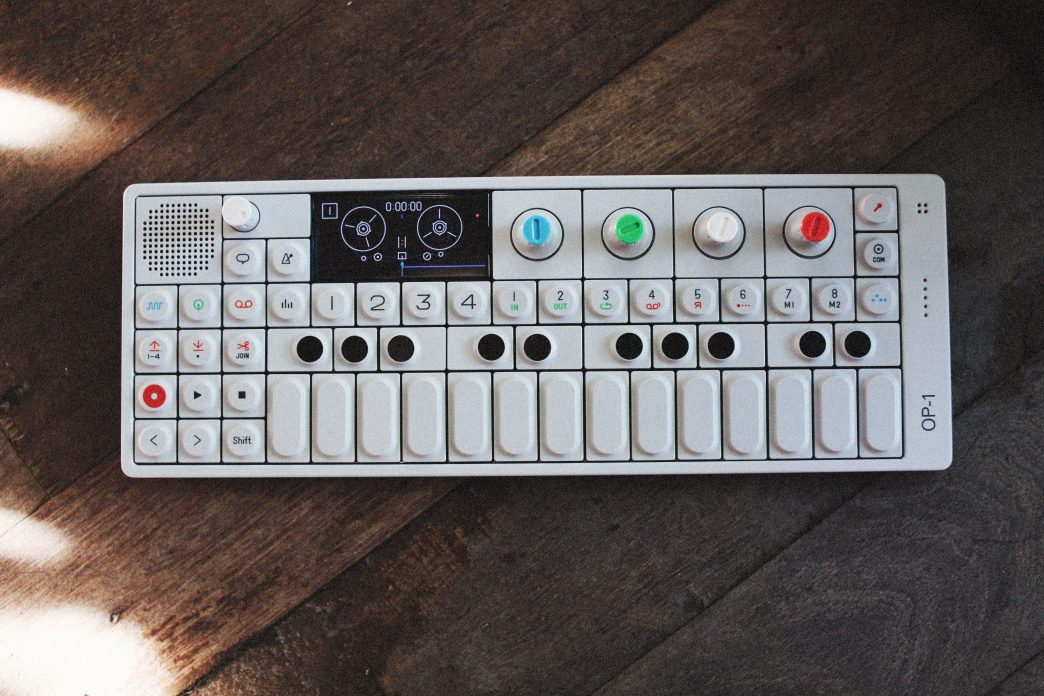
The plans reportedly include the company’s iconic OP-1, an instrument that played a fundamental role in establishing Teenage Engineering’s reputation among electronic music producers.
However, no official manufacturing shutdown date has been announced, and it remains unclear when or how the proposed transition will take place.
The OP-1: An Instrument That Changed Portable Music Production
First introduced in 2011, the original OP-1 quickly became one of the most distinctive electronic instruments on the market.
Its compact design combined several music production functions inside a portable, battery-powered device.
The instrument featured synthesizers, sampling capabilities, a drum machine, audio recording tools, sequencers and onboard effects.
Its unconventional interface also introduced a different approach to music production.
Instead of recreating a traditional recording studio, the OP-1 encouraged experimentation through its physical controls, colorful display and creative limitations.
The device gained popularity among professional producers, experimental musicians and electronic music enthusiasts.
Its influence continued with the introduction of the OP-1 Field, an updated model featuring improvements to its sound engine, recording capabilities and portability.
Over time, the OP-1 became closely associated with Teenage Engineering’s identity, combining playful industrial design with serious musical functionality.
The possibility of the company moving away from synthesizer production therefore represents a significant change for an instrument brand that has developed a dedicated international following.
Why Does Teenage Engineering Want to Change Direction?
Kouthoofd’s comments suggest that the proposed transition is motivated by a broader creative philosophy rather than an announced financial crisis.
During the Highsnobiety interview, the founder explained that he no longer wants the company to be defined by individual products.
His vision involves developing Teenage Engineering as a creative organization capable of exploring design and technology across different industries.
The company has always approached product development differently from conventional musical instrument manufacturers.
Its catalogue includes deliberately unusual devices, experimental interfaces and products that place as much emphasis on interaction and visual design as on technical specifications.
According to Kouthoofd, creativity and exploration are essential to the company’s identity.
The possibility of moving beyond synthesizers reflects his interest in developing projects that are not restricted to a familiar product category.
What Could Happen to the OP-1 and Other Instruments?
The announcement has raised questions about the future of Teenage Engineering’s existing hardware.
Alongside the original OP-1 and OP-1 Field, the company has introduced several influential music production devices.
These include the OP-XY, a portable instrument focused on sequencing and electronic composition, and the Pocket Operator series, which brought compact synthesizers and drum machines to a wider audience.
The company also developed the EP-133 K.O. II sampler, which combines sample-based music production with an accessible hardware interface.
Other products, such as the TP-7 portable recorder, demonstrate its broader interest in recording and audio equipment.
However, the reported plan to stop manufacturing synthesizers does not establish that every existing music technology product will be discontinued.
Teenage Engineering has not published a complete list of affected models, final production dates or details regarding future support.
There has also been no confirmed announcement that current owners will lose access to repairs, software updates or technical assistance.
For now, the possible implications for individual products remain uncertain.
A Company That Has Always Looked Beyond Music Hardware
Although Teenage Engineering is best known for synthesizers, the company has long participated in projects outside conventional music production.
Its collaborations have included work with IKEA, consumer electronics company Nothing and the Playdate handheld gaming console.
These partnerships highlight the company’s wider industrial design experience.
Teenage Engineering has developed a reputation for creating products that combine minimalism, unconventional interfaces and distinctive visual identities.
Its involvement in different areas of technology suggests that the company’s future could involve a wider variety of creative projects.
Rather than operating exclusively as a traditional musical instrument manufacturer, it may increasingly focus on design collaborations, experimental hardware and new product categories.
However, Kouthoofd has not yet provided a detailed roadmap for what would replace the current synthesizer business.
What Does This Mean for Electronic Music Producers?
Teenage Engineering’s hardware has become a familiar part of music studios and live performance setups worldwide.
The portability of instruments such as the OP-1 has made them especially attractive to producers who prefer composing music away from conventional desktop workstations.
Their interfaces also encourage creative methods that differ from traditional digital audio workstations.
For electronic musicians, hardware instruments can offer a more immediate way to experiment with melodies, samples, basslines and rhythmic patterns.
If Teenage Engineering eventually withdraws from synthesizer production, it could leave a notable gap in the market for compact instruments combining advanced functionality with unconventional design.
However, it is too early to determine how the decision might affect future availability or the second-hand market.
The company has not announced a specific timetable for any product discontinuations.
The End of an Era or the Beginning of Something New?
Teenage Engineering has spent more than two decades challenging expectations about what electronic music equipment should look like and how it should function.
Its products have influenced a generation of musicians and demonstrated that sophisticated music production tools do not necessarily need to resemble traditional studio equipment.
The reported plans to discontinue synthesizer manufacturing therefore raise important questions about the future of one of music technology’s most unconventional companies.
For Kouthoofd, the intention appears to be expanding the company’s creative possibilities rather than abandoning experimentation.
But for musicians who associate Teenage Engineering with the OP-1, Pocket Operators and portable electronic instruments, the announcement represents a potentially significant turning point.
As of October 11, 2026, Teenage Engineering has not confirmed when synthesizer production would end or which products would be affected. The proposed change remains a future plan rather than a completed shutdown.
Conversation